Shipping a vehicle internationally involves more than arranging transport from one country to another. If you are planning Car shipping from UK to Tanzania, you must understand the customs clearance process, import regulations, taxes, and documentation required before your vehicle can be released. Whether you are relocating, sending a family car, or importing a vehicle for business, preparing for customs requirements can help you avoid unnecessary delays and unexpected expenses.
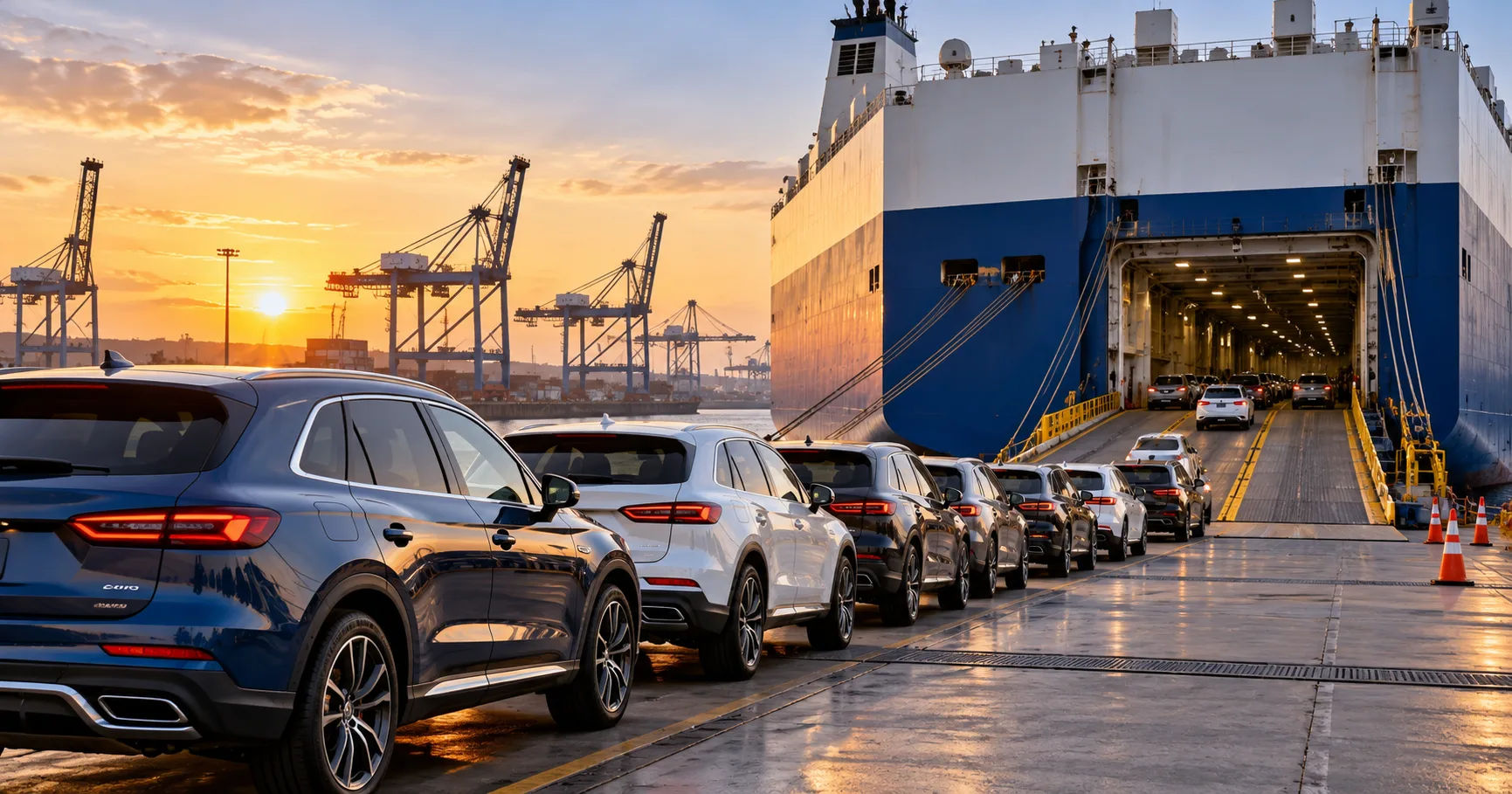
The short answer is yes. Vehicles shipped from the United Kingdom to Tanzania must go through customs clearance when they arrive. Tanzanian authorities check the vehicle's documentation, assess applicable duties and taxes, and verify that it meets the country's import requirements. The exact process depends on the vehicle's age, value, engine capacity, condition, and intended use.
This comprehensive guide explains how customs works, which documents you need, what taxes may apply, and how to make the shipping process easier.
Why Does Car Shipping from UK to Tanzania Require Customs?
Customs clearance is a legal requirement for importing vehicles into Tanzania. It allows the government to check imported goods, collect applicable taxes, and ensure that vehicles comply with national regulations.
When a car leaves the UK, it is prepared for export. However, arriving in Tanzania does not automatically mean the vehicle can be collected or driven away. Importers must complete the required customs procedures before the vehicle is released.
The Purpose of Customs Clearance
Customs clearance serves several important purposes.
First, it confirms the identity and declared value of the vehicle. Authorities may examine the vehicle identification number (VIN), chassis number, engine details, and supporting purchase documents.
Second, customs officers determine which import duties, taxes, and other charges apply. These amounts depend on the vehicle's classification, customs valuation, and the regulations in force when it is imported.
Third, customs procedures help authorities enforce restrictions relating to vehicle age, safety, roadworthiness, and other import conditions.
For anyone arranging Car shipping from UK to Tanzania, understanding these requirements before the vehicle leaves Britain is essential. Problems with paperwork or eligibility can create expensive delays at the destination port.
What Customs Documents Are Required?
Having the correct documents ready can make customs clearance much smoother. Missing or inconsistent information may cause authorities to request additional evidence or hold the vehicle until the issue is resolved.
The precise document list can vary according to the importer's circumstances and the vehicle's status.
1. Original Vehicle Registration Document
The vehicle's UK registration document, commonly known as the V5C logbook, helps establish its identity and registered details.
You should confirm which original documents must accompany the shipment and which can be submitted electronically. The exporter should also follow the applicable UK vehicle export notification procedures.
2. Bill of Lading
The bill of lading is a shipping document issued by the carrier or its representative. It records essential details about the shipment, including the vehicle, shipping arrangement, and destination.
Tanzanian clearing agents generally need this document to process the shipment and arrange the vehicle's release.
Check that the consignee's name and other shipment details are accurate before the vessel departs.
3. Commercial Invoice or Proof of Ownership
Customs authorities need information that supports the vehicle's value and ownership.
If you purchased the car, a sales invoice or receipt may be required. For a privately owned vehicle, other ownership documents and supporting evidence may be appropriate.
Do not assume that a gift, family transfer, or privately owned vehicle is automatically exempt from import taxes. Customs treatment depends on the applicable rules and the importer's circumstances.
4. Import Documentation and Identification
You may need identification, a tax identification number, import declarations, and additional documents requested by the relevant authorities.
Your clearing agent can explain which documents are necessary for your specific shipment and whether any permits or pre-arrival approvals are required.
5. Inspection and Compliance Documents
Depending on the vehicle and current regulations, inspection certificates or evidence of compliance with applicable vehicle standards may be necessary.
Before booking transport, verify the current requirements for used vehicles, including any pre-shipment inspection procedures that apply to the country of export.
How Does Customs Clearance Work in Tanzania?
The customs process usually begins before the vehicle arrives. Planning ahead allows the importer, shipping company, and clearing agent to prepare the required information.
Although individual shipments may differ, the following stages explain the general process.
Step 1: Prepare the Vehicle for Export
Before shipping, confirm that the vehicle is eligible for import into Tanzania. Check its age, condition, engine specifications, and documentation.
Arrange any required inspections or export procedures in the UK. Remove personal belongings if prohibited by the carrier, and follow the shipping company's instructions for preparing the vehicle.
You should also obtain a written shipping quotation that explains the transport method, insurance options, and charges included in the service.
Step 2: Choose a Shipping Method
Vehicles are commonly transported by roll-on/roll-off shipping, known as RoRo, or by container.
With RoRo shipping, the vehicle is driven or moved onto a specialised vessel and secured for the journey. This can be a practical option for vehicles that meet the carrier's requirements.
Container shipping places the vehicle inside a shipping container. It may offer additional protection from exposure during transport, although the final cost depends on the container arrangement and associated handling charges.
Your choice of shipping method does not remove the need for Tanzanian customs clearance.
Step 3: Submit the Customs Declaration
When the shipment is prepared for arrival, the importer or appointed clearing agent submits the required customs declaration and supporting documents through the applicable Tanzanian customs procedures.
The declaration contains information about the vehicle, its value, origin, classification, and other details required by the authorities.
Accuracy is important. Differences between the invoice, registration document, and shipping paperwork may lead to additional checks.
Step 4: Customs Assessment
Customs authorities review the declaration and determine the applicable taxes and duties. They may also request clarification or examine the vehicle.
The customs value may not simply equal the amount written on a sales receipt. Authorities use the valuation rules applicable to the import, which may include the vehicle's value and relevant freight and insurance costs.
Step 5: Pay Applicable Charges
Before the vehicle can be released, the importer must pay the duties, taxes, and other charges assessed under the applicable rules.
Ask for an itemised breakdown so you understand which amounts relate to government taxes and which relate to port handling, storage, inspection, or clearing services.
Step 6: Obtain Release and Arrange Collection
After the required checks are complete and outstanding charges have been settled, customs can authorise release of the vehicle, subject to any remaining port or administrative requirements.
The vehicle can then be collected or transported to its final destination.
What Customs Duties and Taxes Apply to Imported Cars?
One of the most important parts of Car shipping from UK to Tanzania is understanding the potential cost of importation.
Import charges can represent a substantial part of the total expense. However, there is no single fixed tax amount for every vehicle.
Import Duty
Import duty may apply according to the vehicle's customs classification and the applicable East African Community Common External Tariff or other relevant tariff provisions.
The rate depends on the classification and the rules in effect when the vehicle is imported. You should not assume that every car attracts the same rate.
Value Added Tax
Value Added Tax (VAT) may apply to imported vehicles. The taxable base and rate must be confirmed under the current Tanzanian tax rules.
VAT calculations can take account of customs value and relevant import duties or other charges, as prescribed by law. Therefore, calculating VAT as a simple percentage of the purchase price may produce an inaccurate estimate.
Excise Duty and Other Levies
Depending on the vehicle and the applicable legislation, excise duty or other import-related levies may also apply.
Engine capacity, vehicle category, age, and other characteristics can influence the applicable treatment. Confirm the current rules rather than relying on a quotation prepared for a different vehicle.
Port and Clearing Charges
Not every cost associated with importing a car is a customs tax.
You may also need to pay shipping-line charges, port handling fees, terminal charges, customs agent fees, inspection costs, storage, and inland transportation.
These expenses should be included in your overall budget.
Does the Vehicle's Age Affect Customs Requirements?
Yes. Vehicle age can affect both import eligibility and the financial implications of bringing a car into Tanzania.
Used vehicles may be subject to specific inspection requirements and tax provisions. Older vehicles can also carry additional costs under the rules applicable to their category.
Check Eligibility Before Shipping
Before arranging transport, establish the vehicle's manufacturing year, registration history, and other details needed to determine its age under the relevant import rules.
Do not rely only on the year shown in an online advertisement. Manufacturing date and first-registration date can differ.
Confirm the current age-related restrictions and inspection requirements with the relevant Tanzanian authorities or an experienced clearing agent.
Consider the Total Cost of an Older Car
A low purchase price does not always mean a low import cost.
An older car may require repairs, replacement parts, or additional inspection work. If age-related duties or other charges apply, these expenses can further increase the total cost.
Compare the complete landed cost of importing the vehicle with the price of purchasing a suitable car locally.
How Is the Customs Value of a Car Determined?
The customs value is important because it helps determine the taxes payable on an imported vehicle.
Customs authorities apply established valuation rules rather than necessarily accepting the importer's declared purchase price without review.
Factors That Can Influence Valuation
Relevant information may include:
-
The vehicle's purchase price and supporting invoice.
-
The make, model, manufacturing year, and specifications.
-
The vehicle's condition and other valuation evidence accepted under the applicable rules.
-
Freight and insurance costs where included under the relevant customs valuation method.
-
The customs classification and valuation rules in force at importation.
If a car was purchased at a particularly low price, keep evidence explaining the transaction. Customs may request further documentation if the declared value appears inconsistent with the available information.
Why Accurate Valuation Matters
Understating the vehicle's value can result in reassessment, penalties, additional costs, or delays.
For a smooth import process, provide genuine documents and allow your clearing agent to explain the valuation method used in your estimate.
How Long Does Customs Clearance Take?
The time needed to clear an imported car varies. Some shipments move through the process relatively quickly, while others take longer because of incomplete documents, inspections, payment issues, or administrative delays.
The total timeline includes more than customs clearance alone. It also includes shipping from the UK, vessel schedules, port arrival procedures, and transportation after release.
Common Causes of Delays
Incomplete or inconsistent paperwork is a frequent source of problems. Incorrect consignee details, missing invoices, or differences in vehicle identification numbers can require correction.
Delays can also occur when customs requests a physical examination, additional valuation evidence, or clarification about import eligibility.
Outstanding payments and port congestion may further extend the process.
How to Reduce Delays
Prepare your documents before the vehicle is shipped and send copies to your clearing agent in advance.
Confirm the estimated arrival date, ask when the customs declaration should be submitted, and keep sufficient funds available for taxes and release charges.
It is also sensible to budget for unexpected storage costs rather than assuming the vehicle will be released immediately after arrival.
Can You Handle Customs Clearance Yourself?
In some circumstances, importers may be able to manage parts of the customs process themselves. However, international vehicle imports involve detailed declarations, valuation rules, and destination-specific procedures.
Using an experienced clearing agent can make the process easier, particularly if you are unfamiliar with Tanzanian import requirements.
Benefits of Using a Clearing Agent
A qualified agent can help you prepare the declaration, review supporting documents, estimate applicable charges, coordinate inspections, and communicate with relevant authorities.
They can also identify missing paperwork before the shipment arrives.
However, hiring an agent does not automatically guarantee approval or remove your responsibility to provide accurate information and pay the required charges.
Questions to Ask Before Hiring an Agent
Before choosing a service provider, ask whether the quotation includes customs declaration preparation, inspection coordination, port handling, and vehicle release.
Request a clear explanation of government taxes versus service fees. Also ask how the agent handles unexpected charges and whether inland delivery is included.
A detailed written quotation is more useful than a single estimated price without a breakdown.
Common Mistakes to Avoid When Importing a Car
Avoiding a few common mistakes can save money and reduce stress.
Shipping Before Confirming Import Eligibility
Do not book the vessel until you have checked that the vehicle meets the current import conditions. Discovering an eligibility problem after arrival can be costly.
Underestimating Taxes and Additional Fees
The purchase price and ocean freight are only part of the total cost. Budget for duties, VAT, any applicable excise duty or levies, port charges, clearing fees, and delivery.
Providing Incorrect Documents
Make sure the names, vehicle identification details, declared value, and shipping information match across the documents.
If a document contains an error, arrange a correction as early as possible.
Relying on Outdated Tax Information
Import rules, tax rates, and administrative procedures can change. Information from an older article or a previous shipment may no longer be accurate.
Ask for a current estimate based on the vehicle's exact specifications and the anticipated import date.
How to Estimate the Total Cost of Shipping a Car
A reliable budget should include all major expenses from collection in the UK to delivery in Tanzania.
Start with the vehicle's purchase price, if applicable. Add the cost of collection and preparation in the UK, export handling, ocean freight, and marine insurance if selected.
Next, estimate Tanzanian import duty, VAT, any applicable excise duty and other levies, customs clearance fees, port handling, and possible inspection charges.
Finally, include inland transportation to the destination.
Request a written, itemised estimate from your shipping provider and clearing agent. Because the exact taxes depend on the vehicle and the current rules, treat an early estimate as provisional until the relevant assessment is confirmed.
Where Can You Confirm Tanzania's Current Import Rules?
For accurate, up-to-date information, consult the official authorities responsible for customs, taxation, and vehicle inspection.
The Tanzania Revenue Authority (TRA) is an important source for customs declarations, import duties, and tax procedures. The Tanzania Bureau of Standards (TBS) can provide information about applicable standards and inspection requirements.
You can also ask your shipping company or clearing agent to identify the official rules relevant to your particular vehicle.
Before paying for shipping, request confirmation of the vehicle's eligibility, the documentation required, and the likely tax treatment. Written confirmation and an itemised estimate can help you make an informed decision.
Conclusion
So, does importing a vehicle from the United Kingdom to Tanzania require customs clearance? Yes, customs clearance is a necessary part of the process. The vehicle must be declared, the required documents must be submitted, applicable taxes and duties must be assessed and paid, and any necessary inspections or other formalities must be completed before release.
Successful Car shipping from UK to Tanzania begins with preparation. Check the vehicle's eligibility, collect the correct ownership and shipping documents, choose a suitable transport method, and work with a reliable clearing agent if needed.
You should also calculate the complete landed cost rather than focusing only on the purchase price and shipping fee. Import duty, VAT, possible excise duty, port handling, inspection, storage, and inland transport can all affect your final budget.
Most importantly, verify current requirements directly with the Tanzania Revenue Authority, the Tanzania Bureau of Standards where relevant, and your clearing agent before the vehicle leaves the UK. Regulations and tax treatment can change, so confirming the latest requirements is safer than relying on assumptions.
With accurate paperwork, a realistic budget, and advance planning, you can reduce avoidable delays and make the vehicle import process more manageable.